Notes
Quick takes on AI and robotics news.
See how these notes are created39 notes found Clear filters
-
 Anchor customers turn robotics startups into contractors
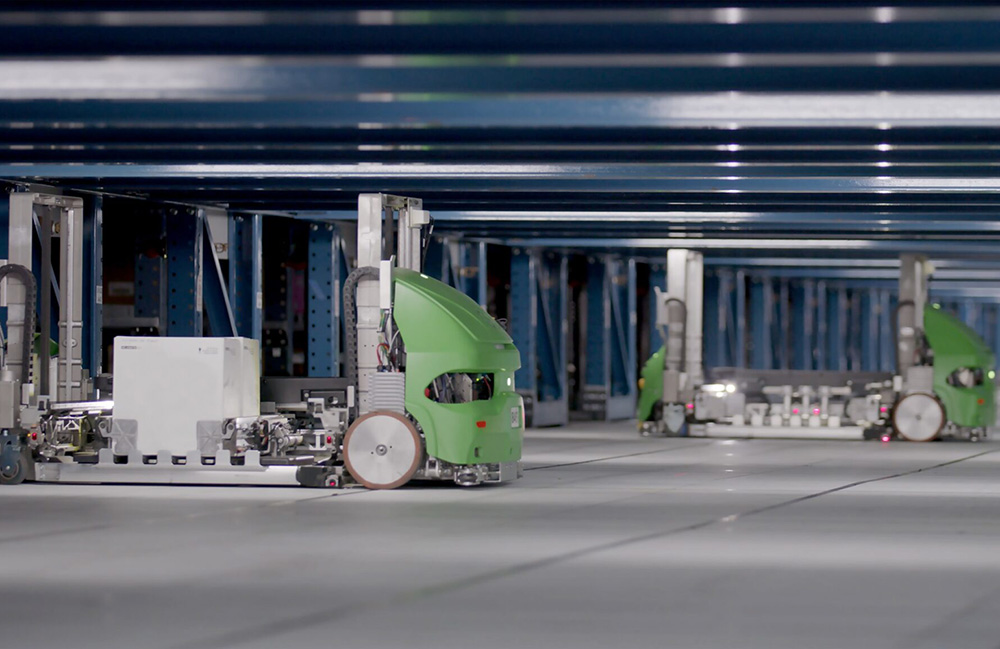
Walmart accounted for over 90 percent of Symbotic's $720.8 million in quarterly revenue in its June 2026 filing, turning warehouse automation into a profitable publicly traded operation.
-
 World models hallucinate successful robot grasps
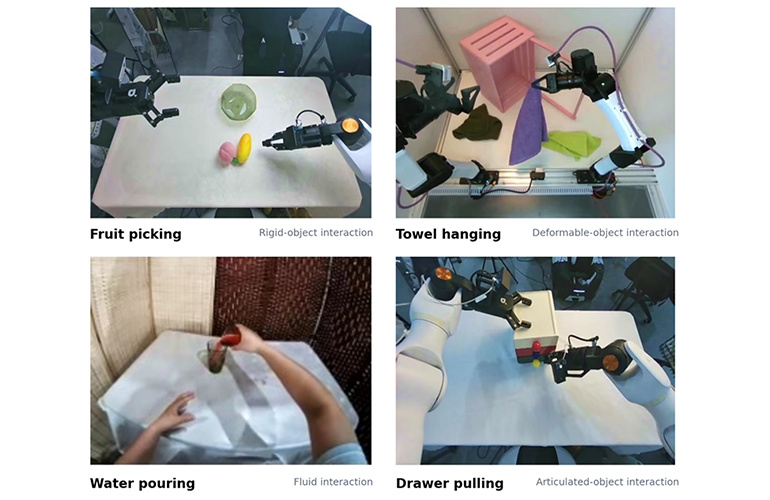
When a robot misses a grasp, a world model simulating the run needs to show an empty gripper pulling away.
-
 Physical AI tackles retail returns on standard cobot arms
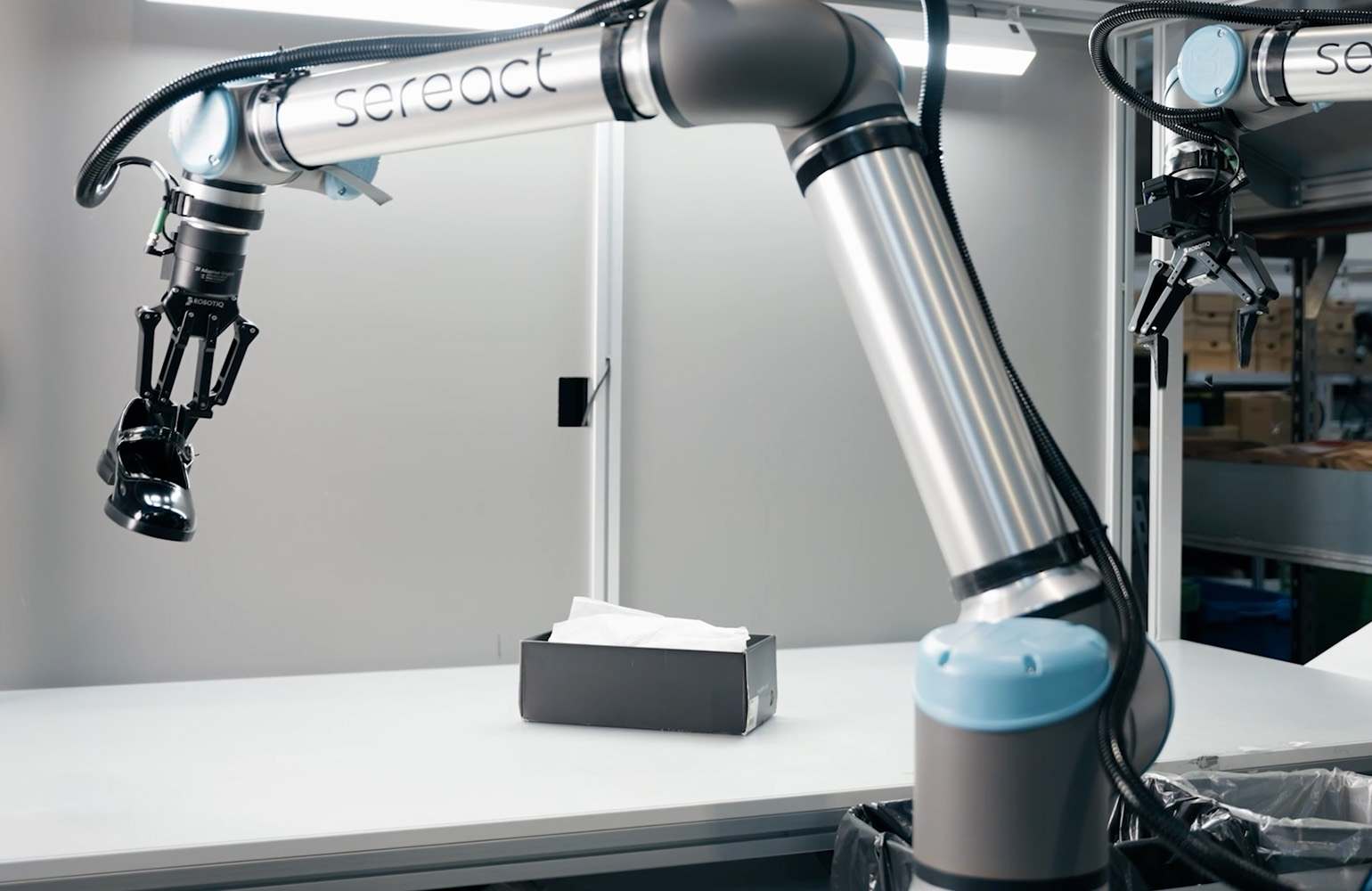
Handling customer returns is one of the messiest operational problems in logistics because items rarely arrive in predictable orientations, shapes, or packaging.
-
 Quadruped feet handle contact tasks without dedicated arms
Mounting an articulated arm on a quadruped adds weight, drains battery life, and increases hardware cost.
-
 Humanoid models cannot learn contact physics from the web
Language models scaled because the open internet provided trillions of tokens of text for free, but robotics has no pre-existing archive of physical work.
- Isaac Lab 3.0 decouples robot learning from single solvers
Most robot learning frameworks lock training to a single simulation engine, forcing teams to accept whatever physics approximations the platform provides.
-
 Claude's Perseverance route ran through JPL's daily simulator
On December 8 and 10, 2025 (sols 1707 and 1709), NASA's Perseverance rover drove about 400 meters through a rock field along waypoints planned by Claude.
-
 Agility's Digit 5 trades grace for uptime
Jonathan Hurst spent more than a decade building legged robots that move like animals, and the humanoid his company just shipped is, in his own words, heavy, bulky, and missing the natural motion of its predecessors.
-
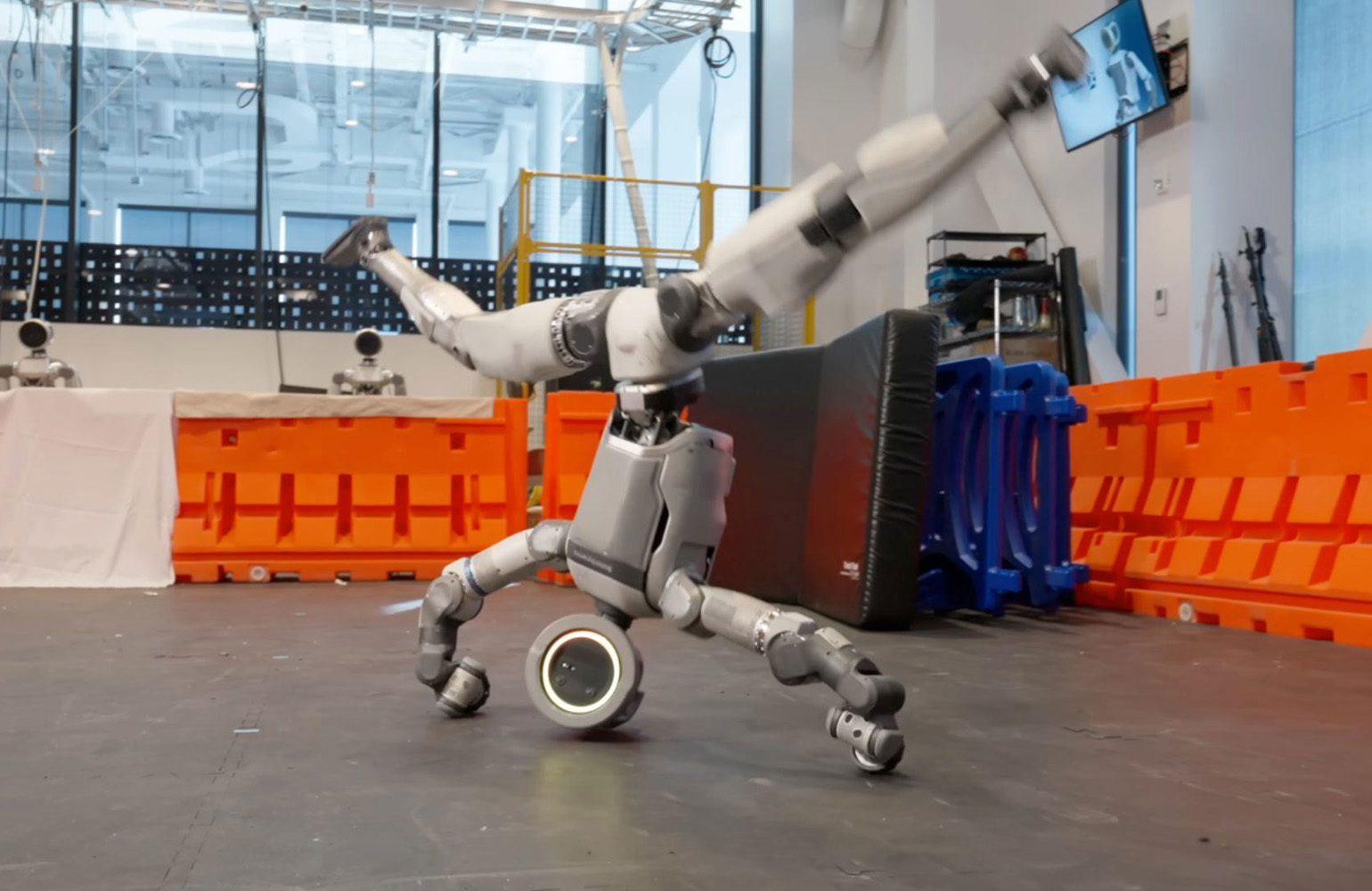 Workflow requirements dictate robot form factors
An assembly line inserting electrical pins needs contact force sensitivity down to a fraction of a newton, while pallet packing at the end of the line demands structural rigidity that survives a million cycles without mechanical drift.
- Arduino puts 40 TOPS and real-time control on one board
Most small robots end up carrying two completely separate computers.
- In-house machining keeps humanoid iteration fast
In an update on the Atlas shop floor, Boston Dynamics showed how parts machining, assembly, and repair are kept under one roof.
-
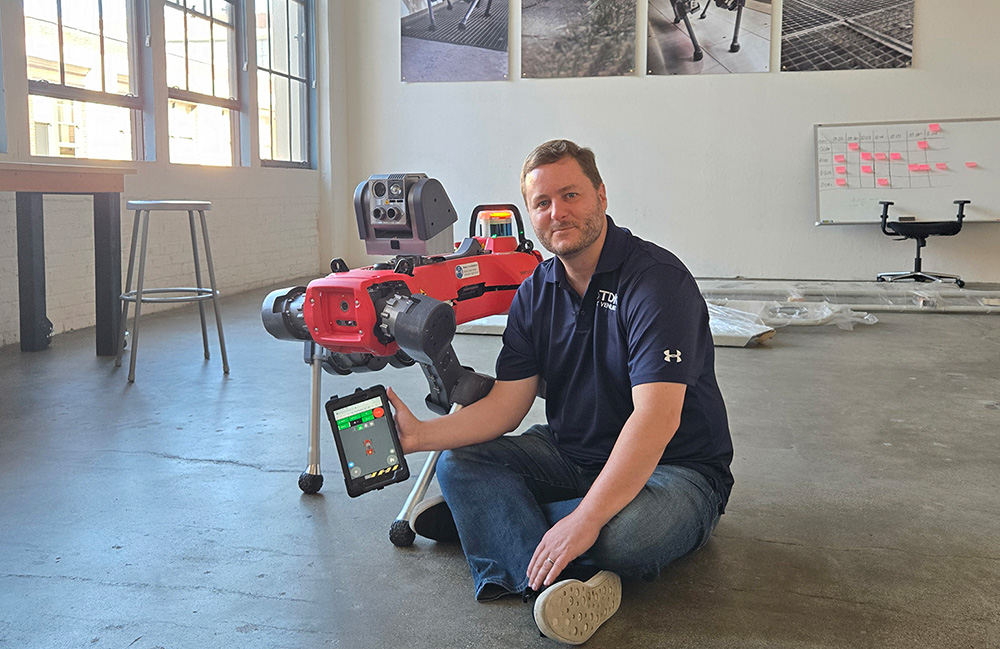 Robotic dexterity is an error recovery problem
A single-action success rate of 99 percent sounds deployable until you chain 100 physical steps together into an actual workflow.
-
 Scripted humanoid demos do not prove generalization
Staging an impressive robotic manipulation demo is mostly an exercise in eliminating variance.
-
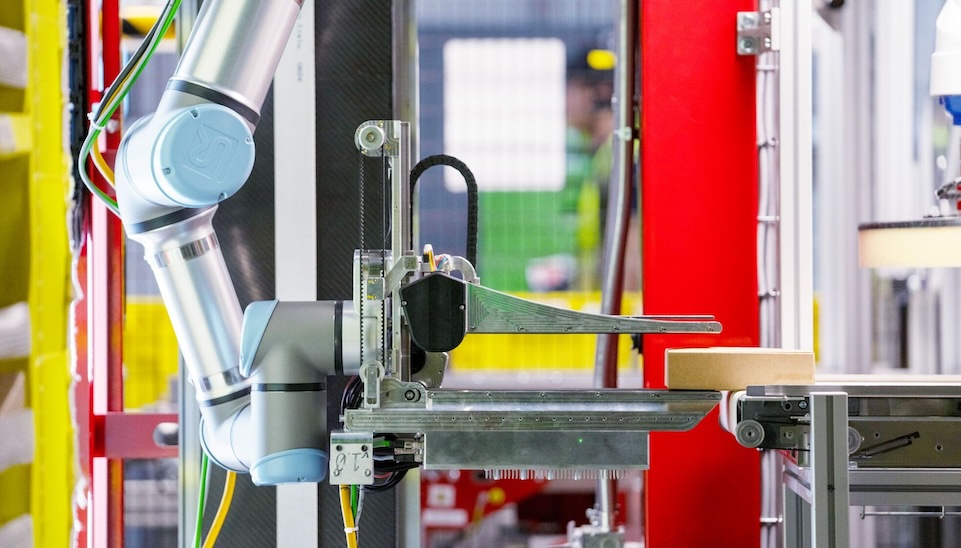 AWS builds plumbing between NVIDIA Cosmos and the edge
Bridging the gap between physics simulation and edge deployment is an often expensive exercise engineers fondly call integration hell.
-
 Custom chips do not solve the AI landlord problem
Custom silicon announcements get treated as an immediate escape hatch from NVIDIA, but swapping out who fabricates the accelerator does little when the software ecosystem stays put.
-
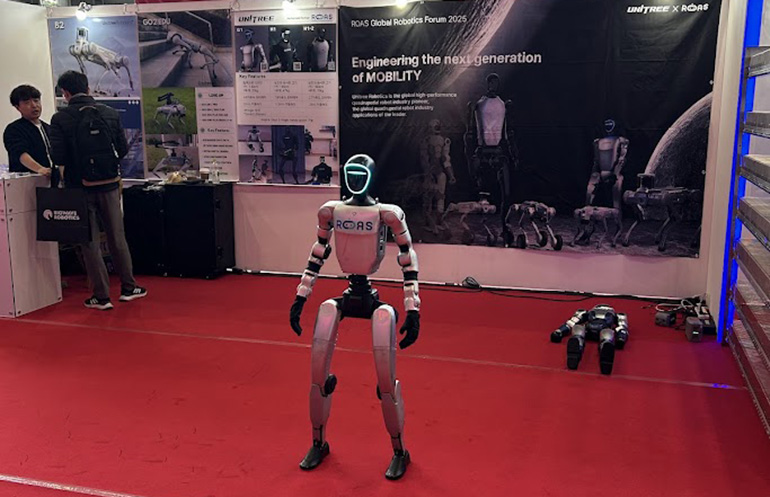 FCC restrictions push robot models to local silicon
The Federal Communications Commission added foreign-produced advanced robotics to its restricted technology list, cutting off equipment authorization for imports deemed national security risks.
- Moving agents off the desktop and onto embedded silicon
Physical AI calls for better approaches to getting agents onto embedded silicon and into the real world.
-
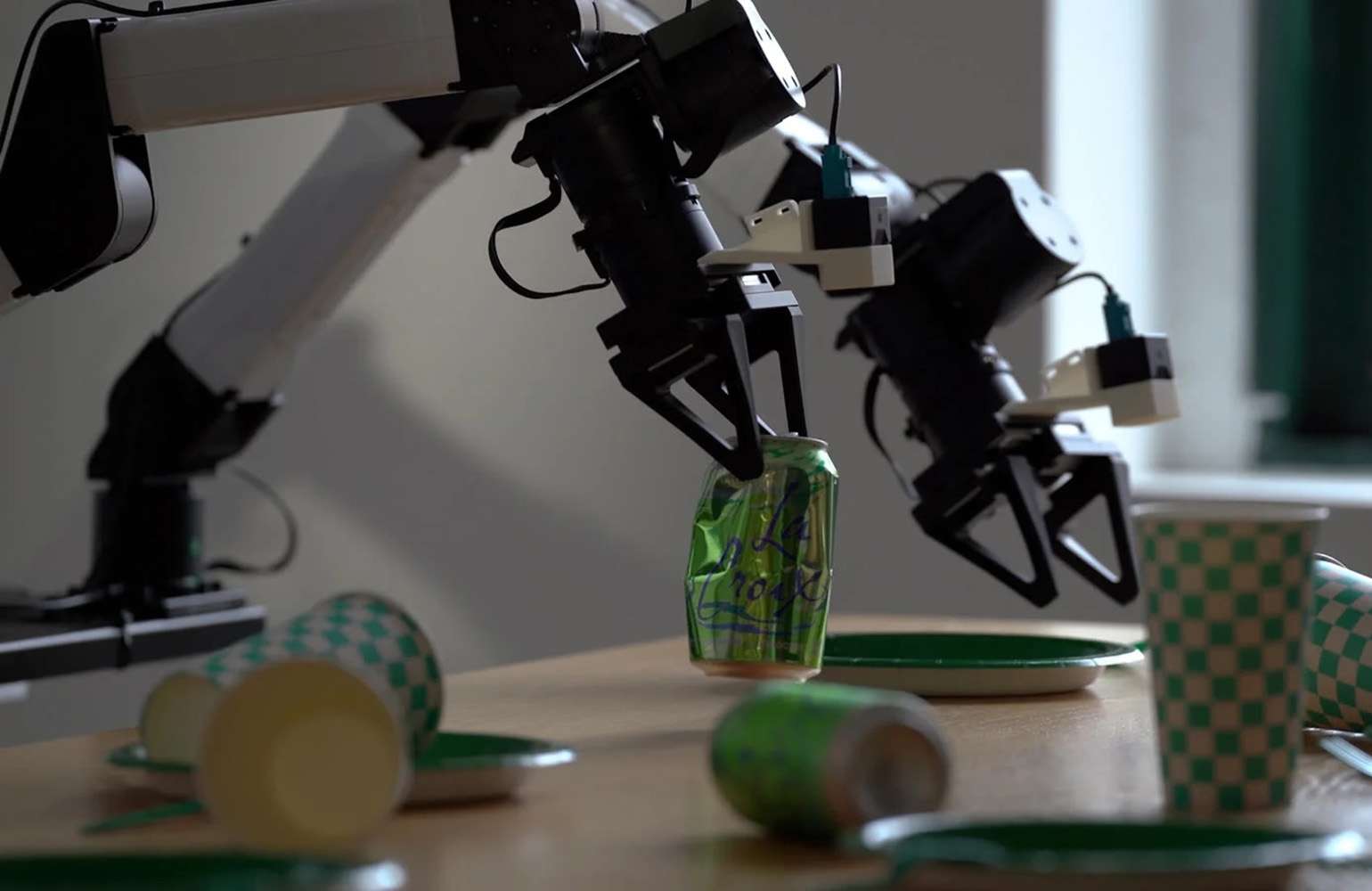 Runway bets on video pretraining and open weights for robotics
Paying operators to log thousands of hours teleoperating grippers will never produce the data volume modern foundation models demand.
- Designing Robot Hands for Sim-to-Real RL
Dexterous manipulation has long been one of the many bottlenecks keeping humanoid robots locked inside controlled demos.