Notes
Quick takes on AI and robotics news.
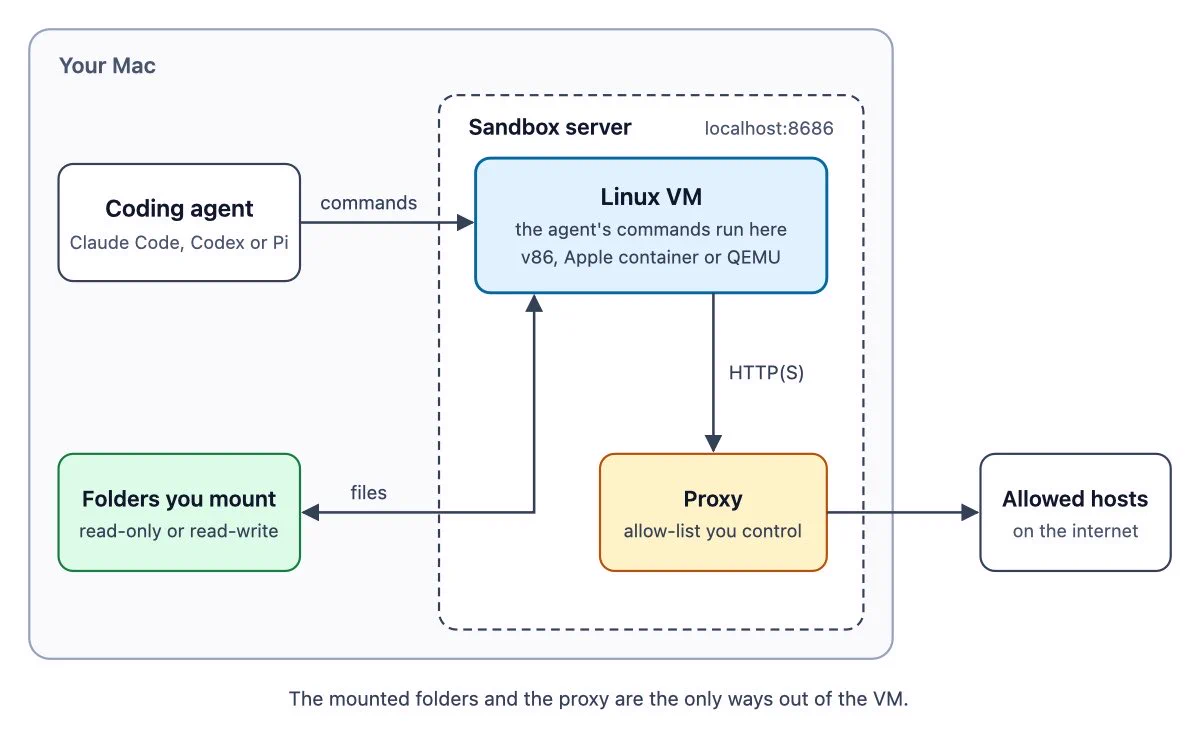
See how these notes are created- External sandboxes split agent reasoning from execution
Giving a coding agent terminal access usually forces an awkward trade-off between constant confirmation prompts and handing untrusted code free rein over your filesystem.
-
 Skydio trades airframe symmetry for cleaner aerial video
Fixed-wing drones stay in the air much longer than quadcopters, but getting clean inspection video out of them has always been an awkward mechanical compromise.
-
 Training multi-vector models to survive token pooling
Multi-vector retrieval architectures like ColBERT deliver sharp retrieval precision by keeping token-level embeddings instead of compressing an entire document into a single vector.
-
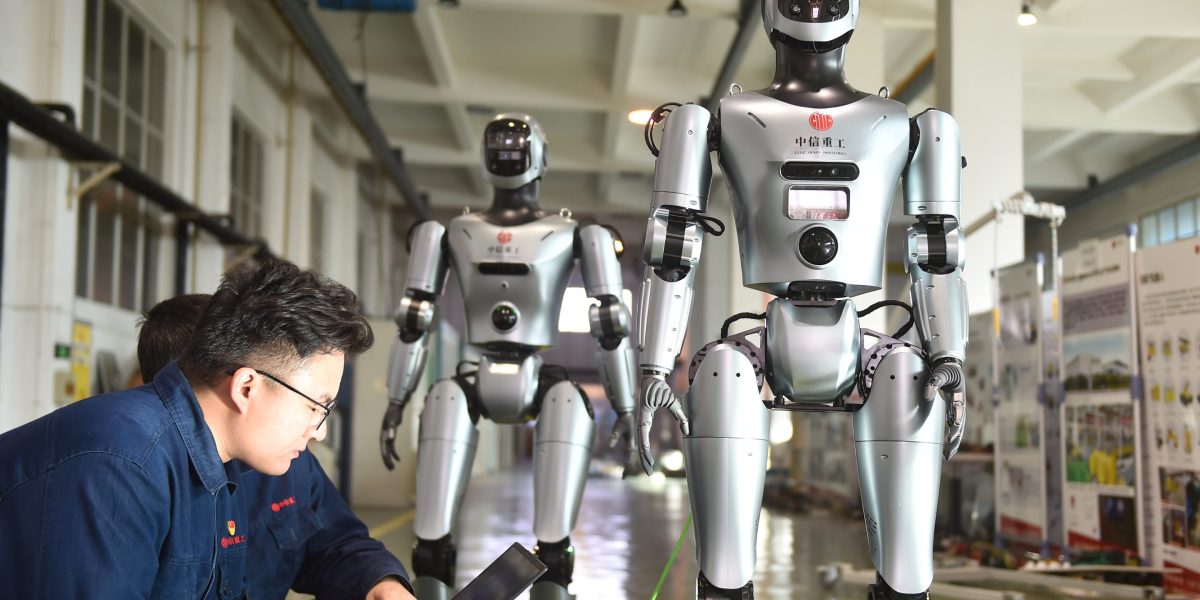 OpenAI bets general models can replace robot brains
Fortune reports that OpenAI has disbanded its dedicated robotics team, reassigning researchers to its core research and applied groups.
-
 Apple's automated app review breaks specialized software
According to reports collected by Synth Anatomy, an influx of low-effort, AI-generated applications is clogging Apple's App Store review pipeline, stretching typical 48-hour turnarounds to nearly a month.
-
 Decoupling shape from texture rescues 3D fine-tuning
Fine-tuning 3D generative models usually breaks down at the boundary between geometry and surface materials.
-
 NVIDIA replaces Jensen Huang as export scrutiny mounts
NVIDIA named CFO Collette Kress as interim CEO and Harvey C.
-
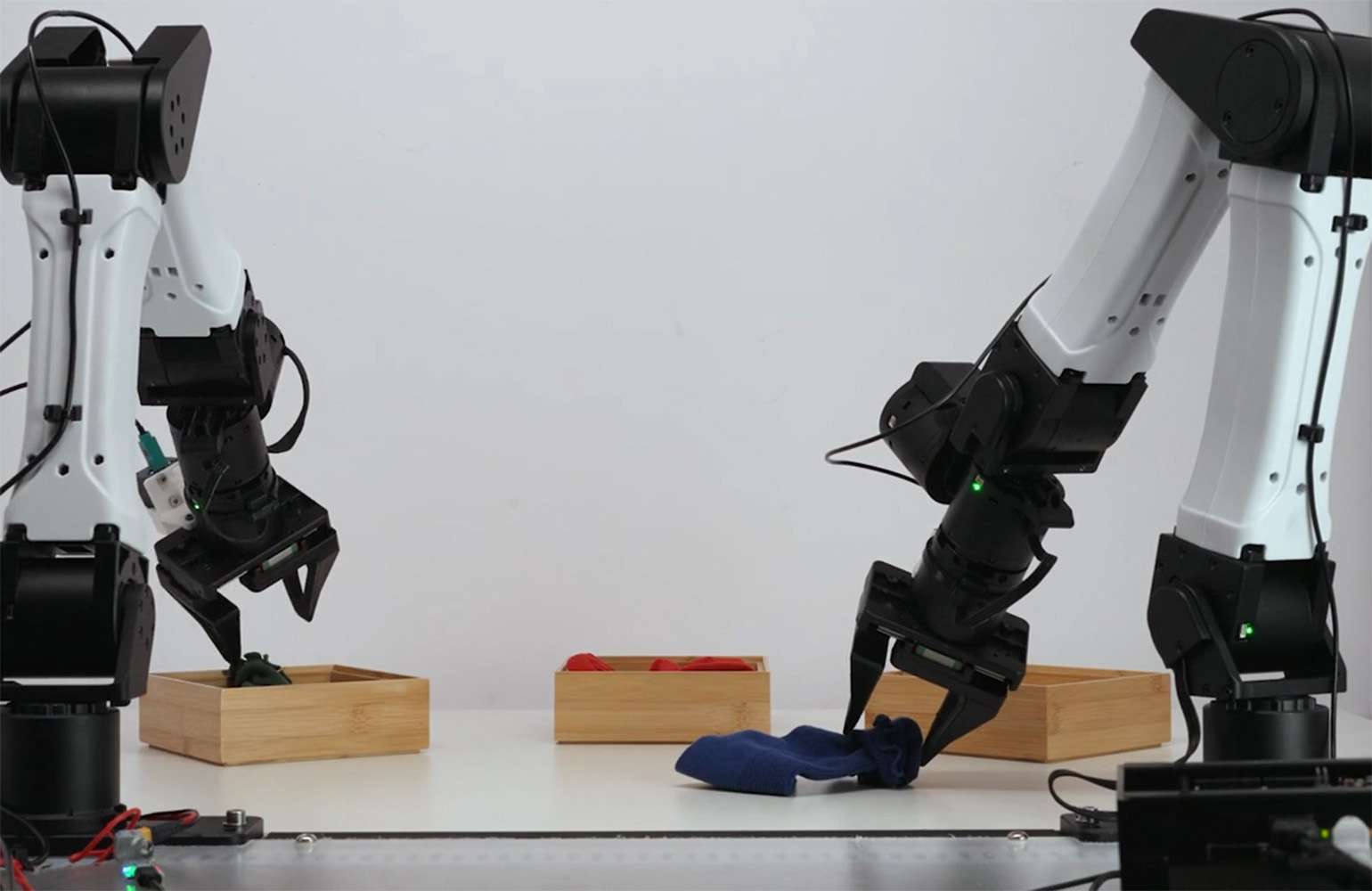 Runway bets on video pretraining and open weights for robotics
Gathering thousands of hours of physical robot demonstrations remains one of the priciest bottlenecks in robotics.
-
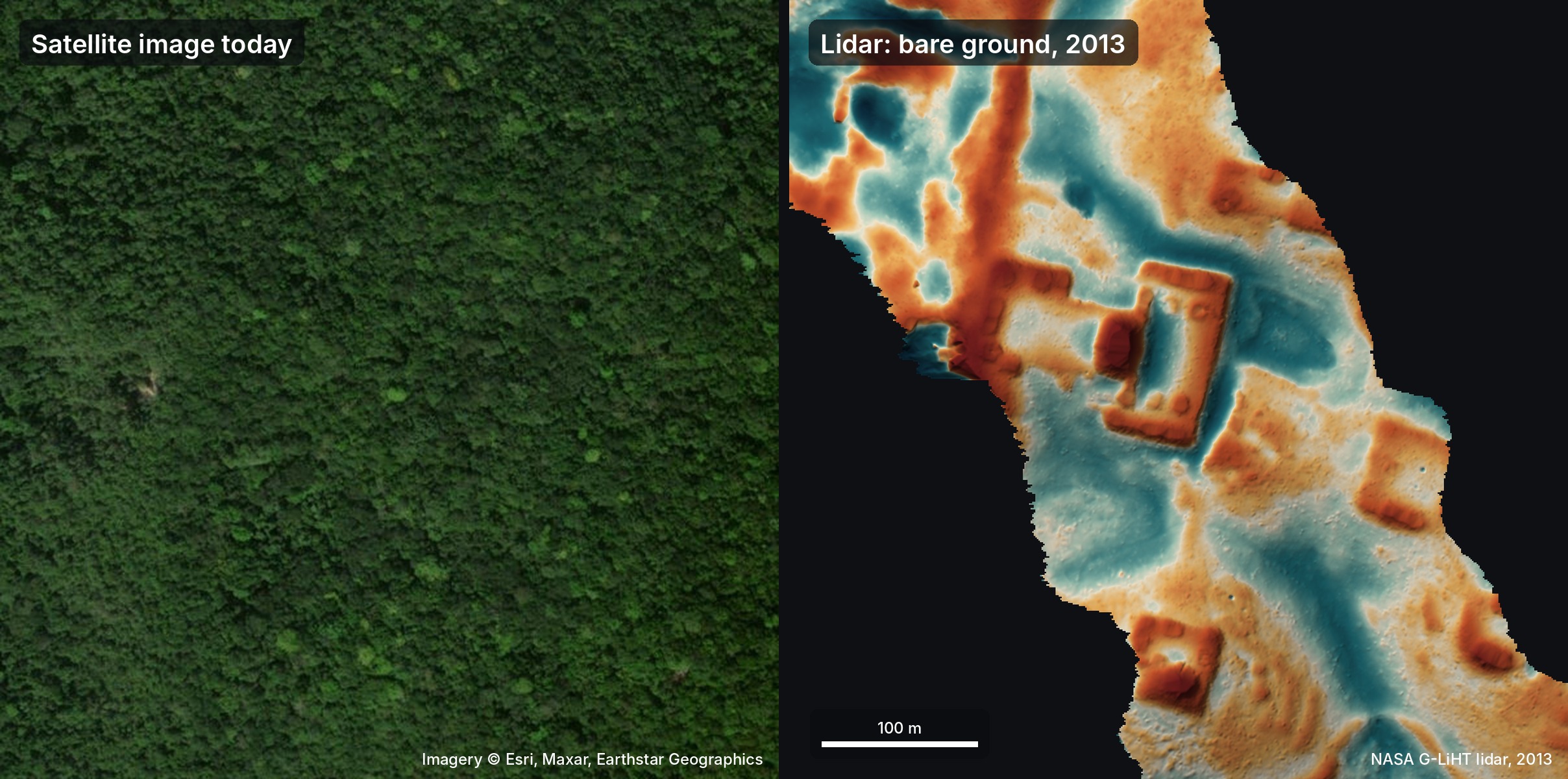 Lidar agents spot Maya ruins faster than they verify them
When engineer Pietro Miotti set 48 vision agents loose on 1,200 square kilometers of public NASA lidar data in Mexico, the visual search worked better than anyone had reason to expect.
- Single pass decisions cut the cost of agent routing
Most agent architectures spend a surprising amount of compute asking large language models to make simple categorical choices.
- Fable 5.2 tops the benchmark but runs at batch speed
Claude Fable 5.2 leads the Artificial Analysis Intelligence Index with a score of 65, but reaching that number took an average of 45 minutes per task.
- Skill count hides the reliability gap in robotics
In Google DeepMind's preview for Gemini Robotics 2.5, the pitch centers on breadth: a single model learning hundreds of skills that stretch from folding laundry to sorting car parts on a factory floor.
- Texas Instruments grounds coding agents in silicon docs
General purpose AI models are trained on samples that span many generations of chips and architectures which is why they often fail at writing stable microcontroller firmware and drivers.
- Google opens consumer Drive and email to human review
When Google launched its Workspace integration for Gemini in 2023, the core privacy guarantee was that personal documents and emails would never be seen by human reviewers.
-
 Agentic simulation shifts the robotics data bottleneck
The standard bet in commercial robotics is that collecting millions of teleoperated human demonstrations will eventually produce generalized manipulation.
-
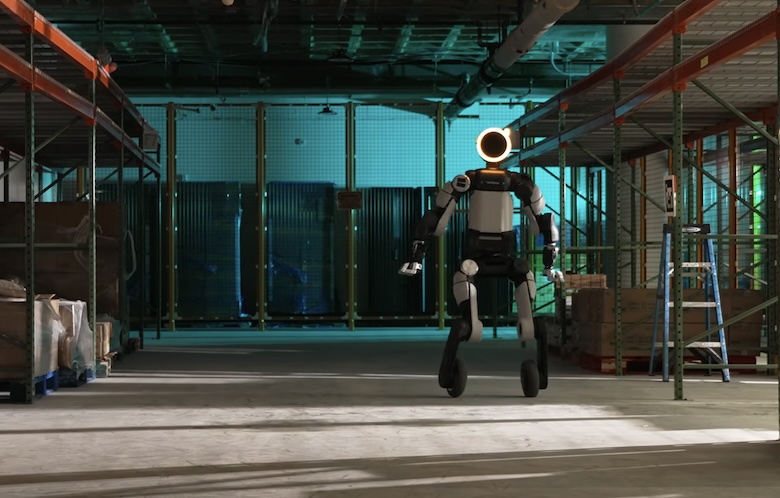 Atlas on wheels makes the case for hybrid locomotion
Mounting off-the-shelf scooter wheels to a bipedal humanoid sounds like a shop-floor prank, but the controls problem behind it is serious.
- Wikipedia relied on a web that sent readers back
In The Economist's essay on digital culture, the premise is that humanity will never assemble another volunteer project on the scale of Wikipedia.
-
 Phonon proves speech synthesis can run locally in 65MB
Every voice interface stumbles on the same bottleneck: streaming audio to a remote server adds hundreds of milliseconds before the first syllable plays.
-
 AI infrastructure does not amortize like concrete
The case against an AI bubble often rests on an accounting assumption that the trillions committed to data centers represent a one-time buildout that will taper off once the concrete is poured In an essay arguing that the AI bubble does not exist, Matteo Raso calculates that paying off roughly $5 trillion in industry…
-
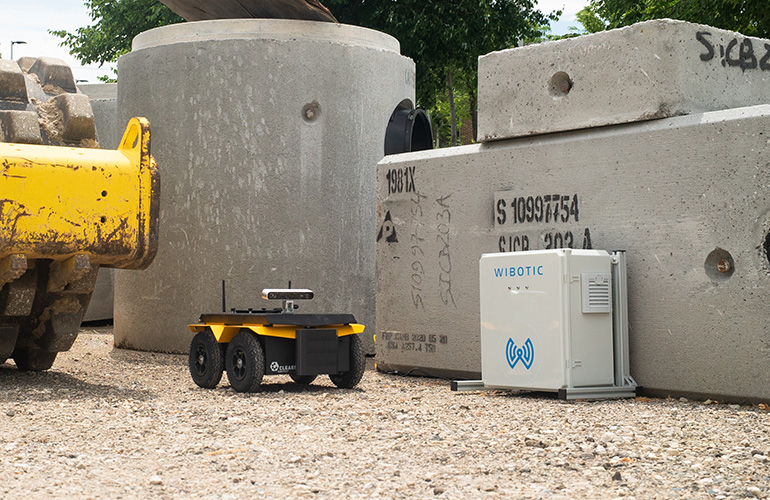 Frequent dwell charging cuts robot battery weight
A robot fleet that runs down to twenty percent battery before deadheading across a facility to recharge works fine at five units, but it creates gridlock at forty.