OpenAI bets general models can replace robot brains
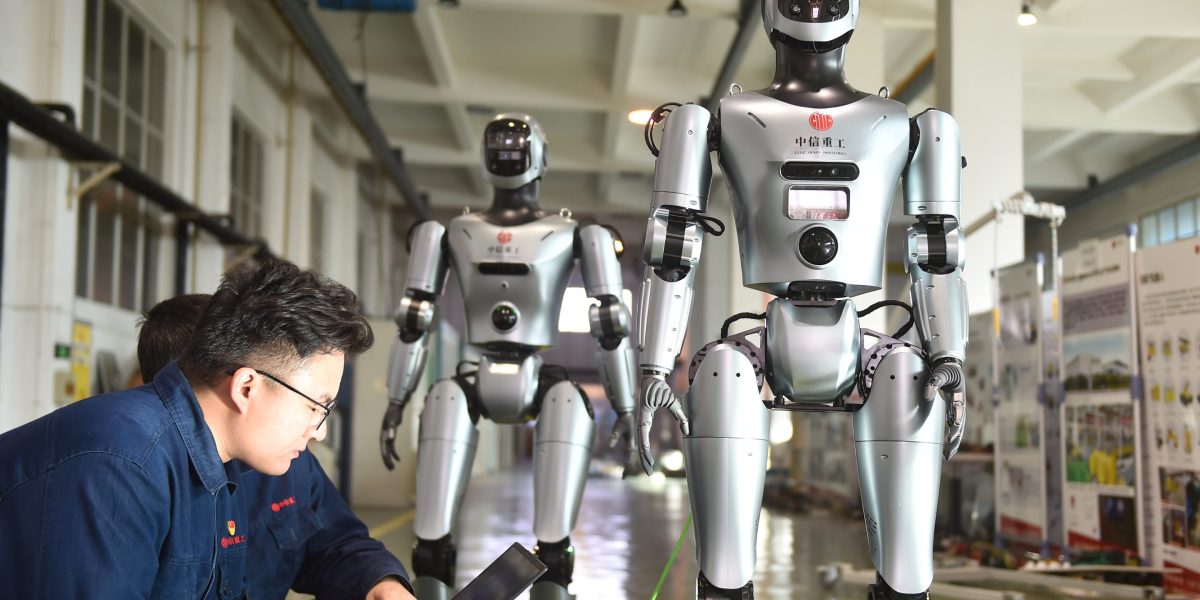
Fortune reports that OpenAI has disbanded its dedicated robotics team, reassigning researchers to its core research and applied groups. The reorganization reflects an internal bet that robotics is no longer a distinct machine learning problem requiring specialized spatial architectures, but a downstream task for general frontier models. In an Nvidia study cited in the report, an agent running GPT-6 Astra achieved a 74.8 percent success rate on a simulated manipulation benchmark, topping the 51.0 percent scored by specialized robotics models on the same leaderboard.
I see why OpenAI wants consolidate their research efforts, especially while paring back capital costs before an IPO. But simulation benchmark scores don't often hold up in real deployments. Giant frontier models running in remote data centers introduce round-trip latency, bandwidth demands, and connectivity risks that are unacceptable in industrial environments. As MIT's Russ Tedrake noted, robotics companies operating on factory floors gather site-specific physical data that general datasets cannot reproduce. The cloud may still be the right place for High-level task planning, but the bottlenecks remain on the physical machine. For robots with limited onboard compute deterministic control loops and safety protocols are non-negotiable with or without network connectivity.