Frequent dwell charging cuts robot battery weight
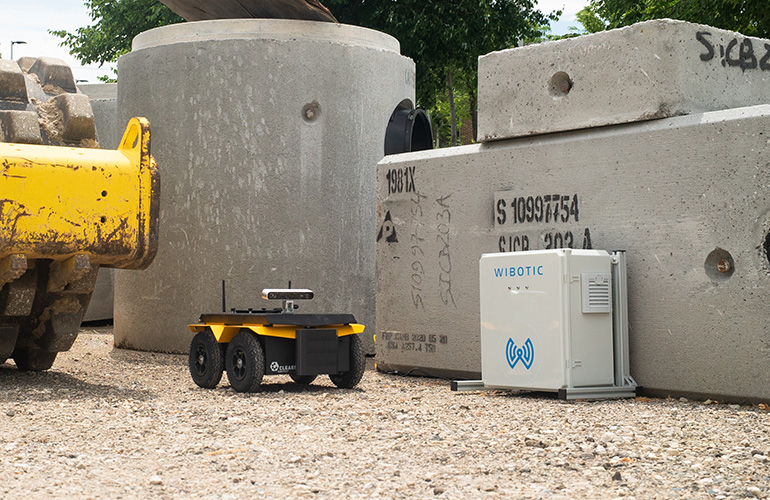
A robot fleet that runs down to twenty percent battery before deadheading across a facility to recharge works fine at five units, but it creates gridlock at forty. In an interview with The Robot Report, WiBotic CEO Ben Waters outlined why perimeter charging stalls scaling deployments: sending machines on ten-minute round trips erases operational uptime and clogs transit lanes. The logical countermeasure is opportunity charging, pushing power into the vehicle during the ten-second pauses already built into picking, staging, or palletizing workflows.
The engineering catch is mechanical wear and vehicle weight. Physical contact plates degrade quickly when subjected to hundreds of daily docking events, making wireless inductive pads a pragmatic choice for frequent cycling. More significantly, keeping a battery floating between forty and eighty percent changes the bill of materials. Designing a mobile robot or a biped around an eight-hour continuous battery pack forces engineers to buy, cool, and carry dead weight, which in turn demands larger motors and burns more energy just moving. Sizing the pack for the workflow loop rather than a worst-case shift is cheaper, provided the facility layout treats power as distributed infrastructure rather than a parking bay.