Workflow requirements dictate robot form factors
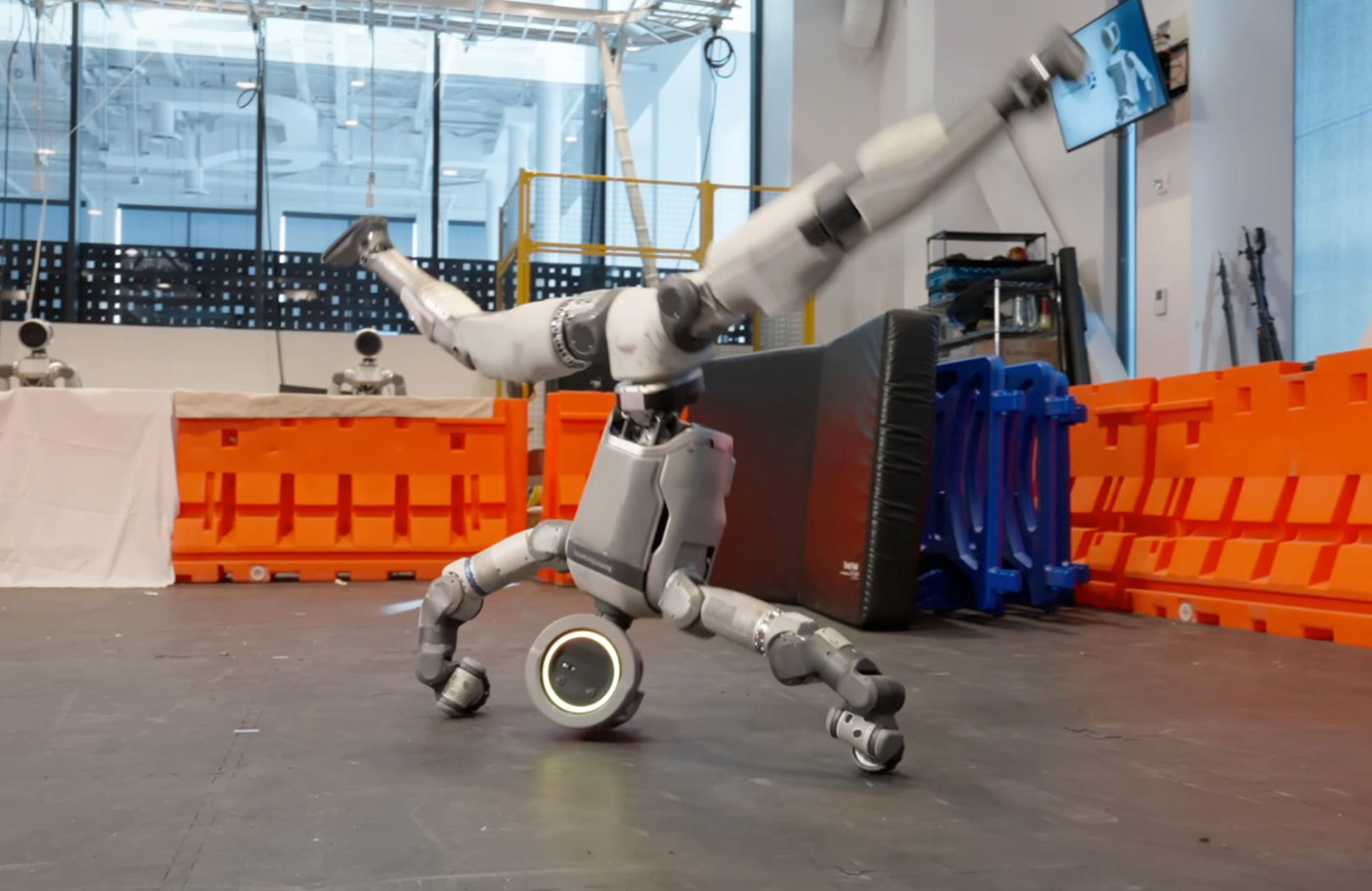
An assembly line inserting electrical pins needs contact force sensitivity down to a fraction of a newton, while pallet packing at the end of the line demands structural rigidity that survives a million cycles without mechanical drift. Building a single humanoid arm to do both guarantees a compromised design, because the two jobs pull the joints in opposite directions. Catching a jammed pin takes light, sensitive joints that can register a fraction of a newton, and those same joints are too delicate to carry pallet loads all shift. Stiffen the joints enough to survive the load, and the added rigidity drowns out the small forces that signal a jam. In a breakdown on physical AI workflows, The Robot Report points out that the business case for industrial robotics is often lost right at this component selection stage.
The division between brownfield facilities and new builds dictates whether a humanoid form factor makes economic sense at all. In an existing chemical plant with narrow stairs and human-scale doorways, adapting the machine to human geometry is usually cheaper than rebuilding the plant. In a facility built from scratch, specialized wheeled or gantry systems consistently win on speed, energy consumption, and maintenance costs. Humanoid shapes are an expensive concession to legacy infrastructure rather than an ideal mechanical standard.
Physical AI deployments run aground on mechanical drift, actuator thermal limits, and intervention frequency long before model reasoning becomes the bottleneck. If an engineer has to recalibrate drifted strain sensors or unjam a gripper twice an hour, benchmark autonomy claims mean nothing. The second purchase order only happens when the machine survives ten thousand cycles a shift without human rescue.