Anchor customers turn robotics startups into contractors
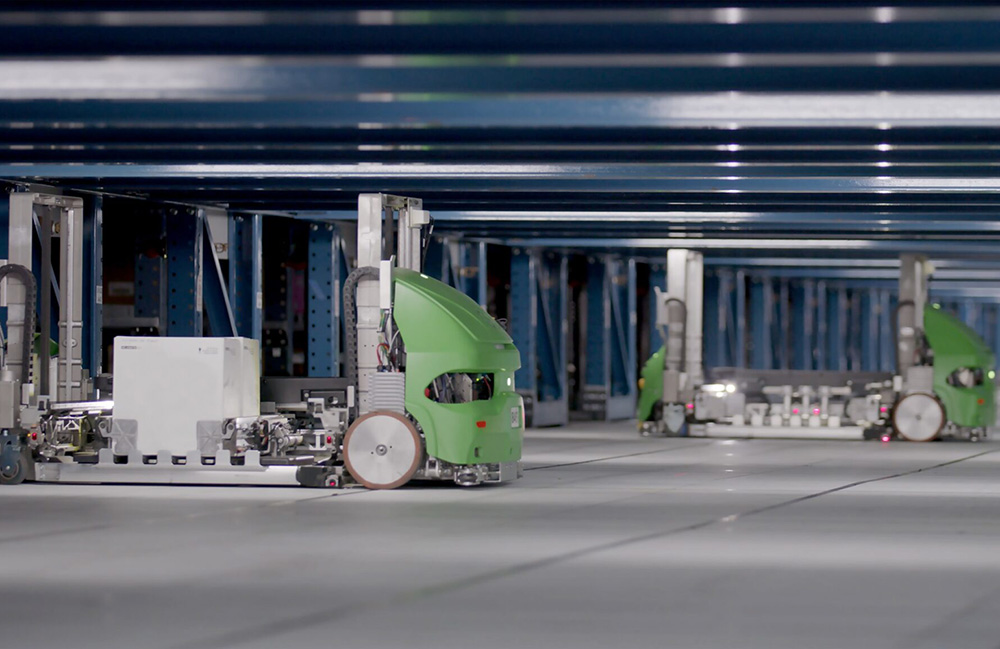
Walmart accounted for over 90 percent of Symbotic's $720.8 million in quarterly revenue in its June 2026 filing, turning warehouse automation into a profitable publicly traded operation. As The Robot Report points out, that kind of scale does not ship like software. Roughly half of Symbotic's two thousand employees work in the field installing, commissioning, and maintaining hardware, while its contracts grant Walmart the right to embed engineers, hold technical intellectual property in escrow, and cap how many comparable systems Symbotic can sell to other retailers.
The hidden tax of an anchor customer in enterprise robotics is rarely the pricing discount; it is operational gravity. When deployments take up to twenty-four months from a signed statement of work to customer acceptance, onboarding a second account is not an incremental sales effort. It pulls the same senior integration engineers off the anchor project to adapt hardware and warehouse workflows to a completely different footprint. If the system still demands custom site work and continuous human intervention to stay running, chasing a new logo risks stalling the rollout that pays the bills.
The structural test arrives when the primary rollout finishes. Distribution center installations generate heavy upfront system revenue that eventually tapers into thinner maintenance and software fees. Robotics startups chasing enterprise anchors often treat contract size as proof of a repeatable product, but unless deployment hours drop with each successive site, the business has built a dedicated contractor inside a single customer, not a scalable platform.