Humanoid models cannot learn contact physics from the web
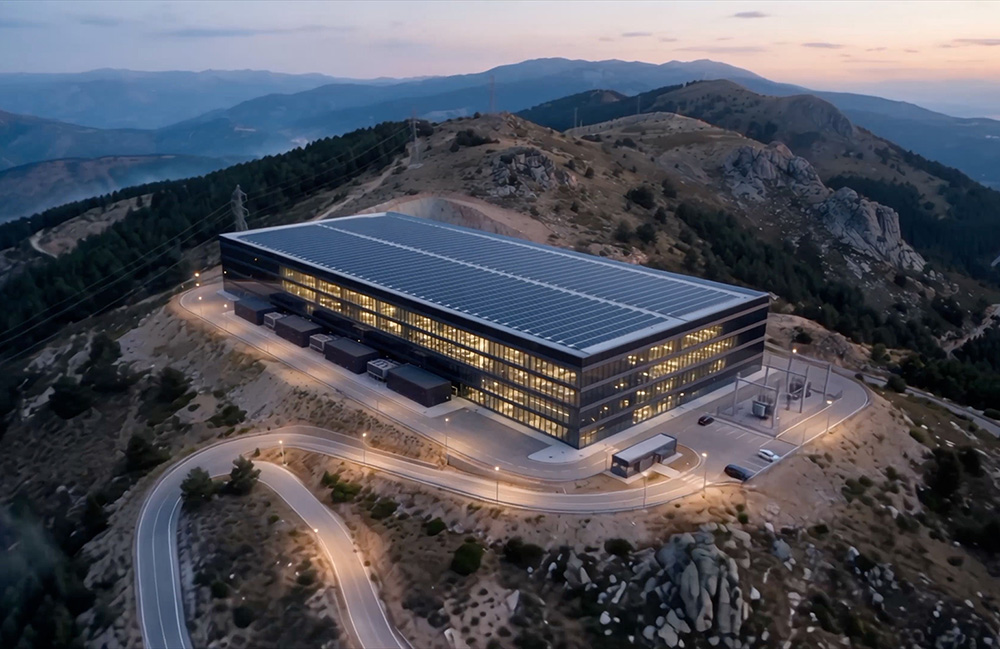
Language models scaled because the open internet provided trillions of tokens of text for free, but robotics has no pre-existing archive of physical work. To train its GENE.01 humanoid, Italian Institute of Technology spinoff Generative Bionics is building a 5,000-square-meter facility in Italy dedicated to collecting contact, force, temperature, and proximity data across industrial settings. Running on AMD compute, the hub plans to feed real sensor telemetry into digital-twin simulations to generate task variations, then deploy those trained policies back onto hardware.
Prioritizing tactile telemetry over pure computer vision targets the actual constraint in physical manipulation. Most vision-language-action models rely almost entirely on camera feeds, but vision alone cannot measure how a workpiece slips, how a joint flexes under load, or where grip pressure spikes. CEO Daniele Pucci notes that while flashy bipedal demos dominate video feeds, industrial plants require certified safety envelopes and repeatable force control. For humanoids working near people, full-body skin and direct contact feedback are operational requirements, not luxury add-ons.
The timeline is where European industrial sovereignty runs into friction. Generative Bionics targets late 2027 to bring the Italian facility online. By then, fleets of simpler logistics robots and competing humanoids will have accumulated millions of hours of operational teleoperation in production plants. Generating rich multimodal data in dedicated mock-up cells beats simulated and synthetic data. But the test will be whether that pipeline can translate into real hardware certified for use in uncontrolled environments before competitors with a higher tolerance for risk and less regulatory constraints pull ahead.