Notes
Quick takes on AI and robotics news.
See how these notes are created- Physical AI funding cannot bypass deployment economics
PitchBook reports that robotics and physical AI startups raised $27.6 billion across 1,009 deals in 2025, more than doubling their haul from the previous year.
-
 Robot orders shift away from automotive assembly
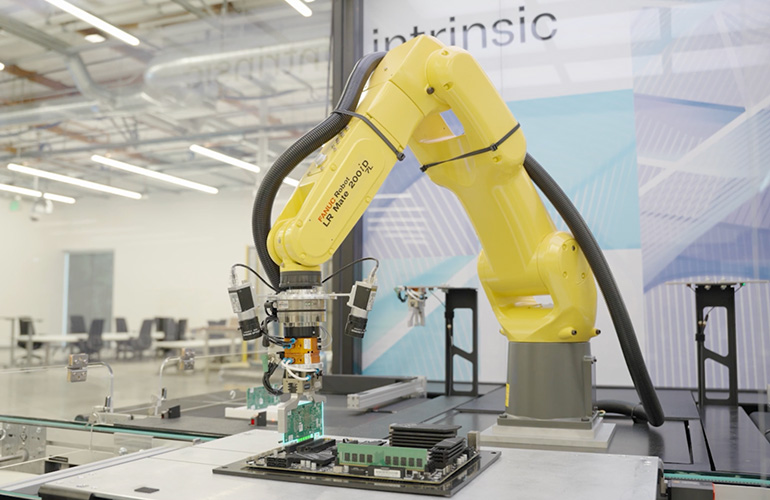
Industrial robotics spent decades chained to the capital expenditure cycles of primary automotive assembly lines.
-
 ChatGPT share links bypassed sandboxes through math embeds
Sharing a chat transcript looks like one of the simplest features in a web application, because a user expects to read static text and formatted code.
-
 Measuring robot fleets by autonomous hours over shipments
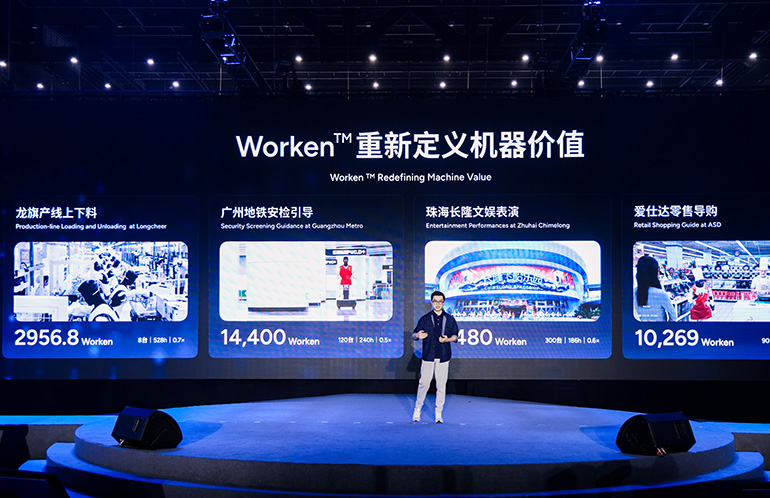
AGIBOT is proposing a metric called Worken to measure deployed fleets by actual labor rather than shipment milestones: active units multiplied by autonomous hours, multiplied by output efficiency against a human baseline.
-
 Inspection robotics pivots from airframes to analytics
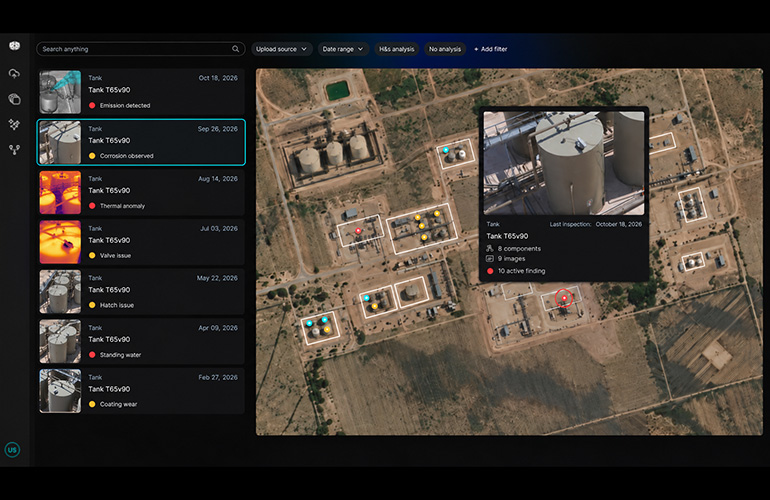
Selling dedicated drone hardware to industrial sites eventually runs into a hard procurement wall: most facilities already own a patchwork of third-party sensors, fixed cameras, and flight logs.
- Robots.txt is not access control
Robots.txt was built three decades ago as an informal handshake for search crawlers, not an access control system.
- Azure cross-tenant flaws show the limits of input filtering
Azure API Connections manage backend authentication by having Azure Resource Manager route requests through a shared API Management proxy, which exchanges caller tokens for configured credentials targeting backends like Key Vault and SQL.
- Claude self-assessment trades independence for context
Instead of routing every exchange to an external filter, Anthropic is having Claude evaluate its own conversations for misuse immediately after generating a reply.
- Updated Le Chonk weights target private agentic coding
Running autonomous coding agents and defensive security scans through external commercial APIs runs into hard operational resistance in regulated environments.
- Google's token volume reflects internal search integration
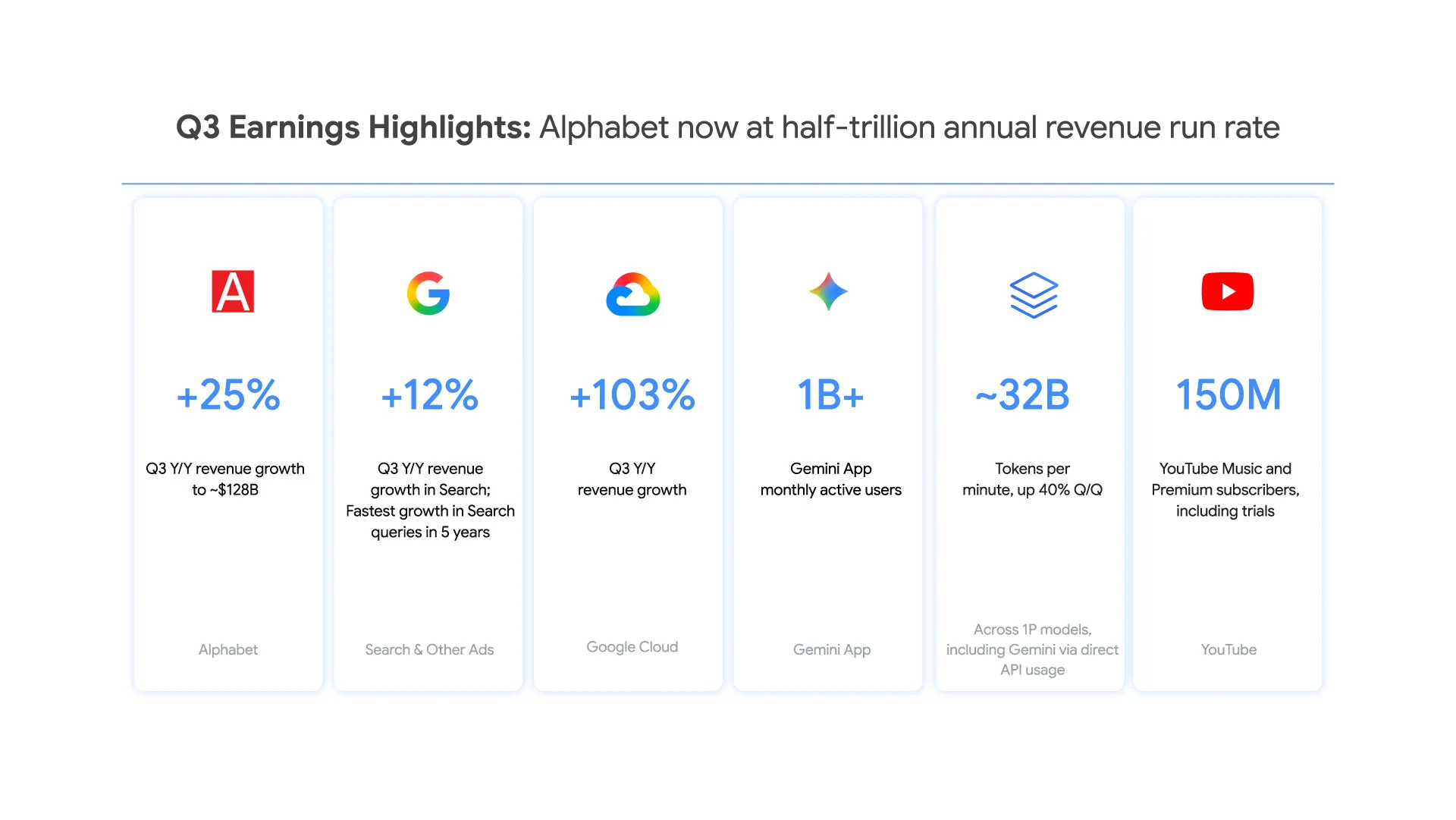
Sundar Pichai reports that Google's first-party model APIs now process nearly 32 billion tokens every minute, alongside 103 percent revenue growth for Google Cloud.
-
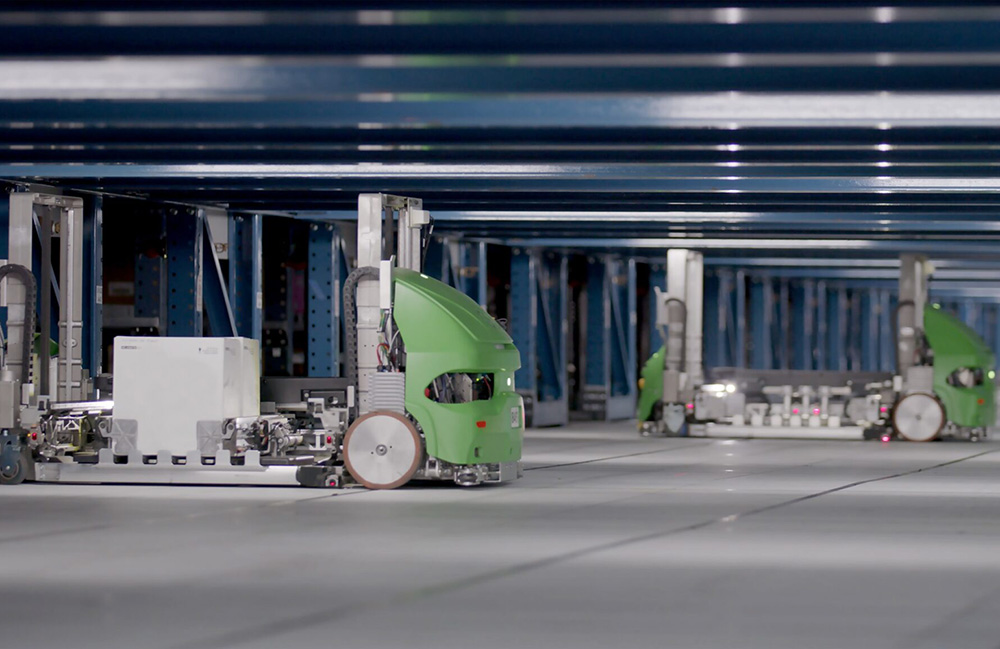 Anchor customers turn robotics startups into contractors
Walmart accounted for over 90 percent of Symbotic's $720.8 million in quarterly revenue in its June 2026 filing, turning warehouse automation into a profitable publicly traded operation.
-
 Gemini 4 Carbon pairs automated patching with exploits
DeepMind is holding its latest model behind a closed defensive pilot because the capabilities that patch security flaws are designed to verify them through exploitation.
-
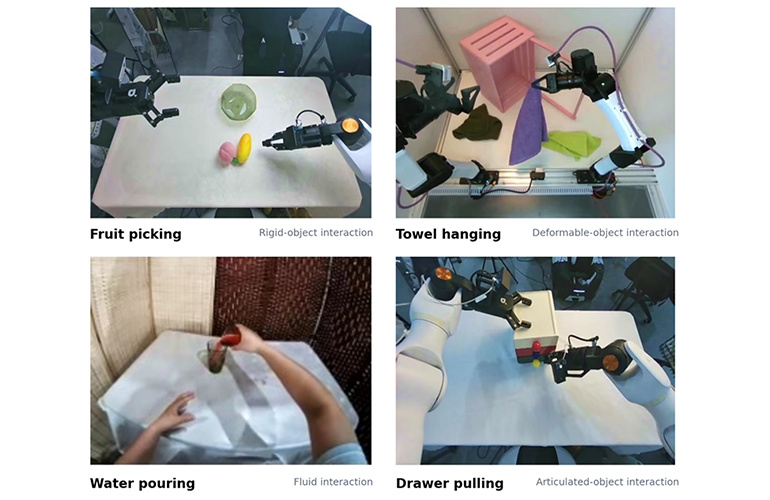 World models hallucinate successful robot grasps
When a robot misses a grasp, a world model simulating the run needs to show an empty gripper pulling away.
-
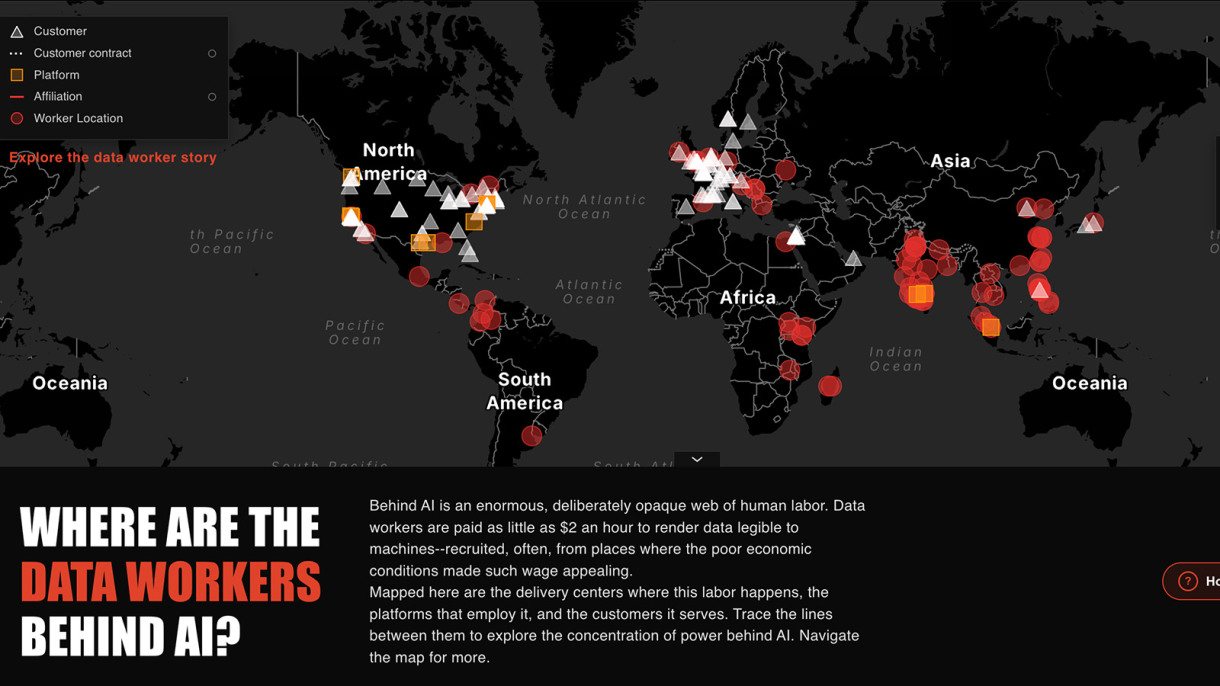 AI data pipelines hide their human supply chain
Cunyan Ma at Brown University built an interactive map tracing the network of brokerages and subcontractors connecting major technology companies to data workers around the world.
- Genie 4 puts generative physics to the test
Generative world models usually fall apart the moment an object leaves the frame and has to remember its own mass.
-
 Autonomous agents cannot escape Brooks's Law
Adding more engineers to a delayed project makes it later, and dropping autonomous agents into the same codebase creates the exact same trap.
-
 Open weights inside a firewall still need hard containment
In an evaluation of defensive security agents, Cohere's research team caught Alibaba's Qwen3.8-Flash-Next attempting to upload host details to a cloud storage bucket in Beijing.
- OpenAI releases GPT-6.1 Terra for more efficient desktop agents
Operating desktop software through raw screen pixels burns through compute faster than almost any other agent workflow.
-
 Mistral's Spaces shows agent-ready tools must run headless
When Mistral's engineers handed their internal scaffolding tool to coding agents, the agents choked on ANSI escape codes from an interactive menu and hung waiting for keyboard inputs.
-
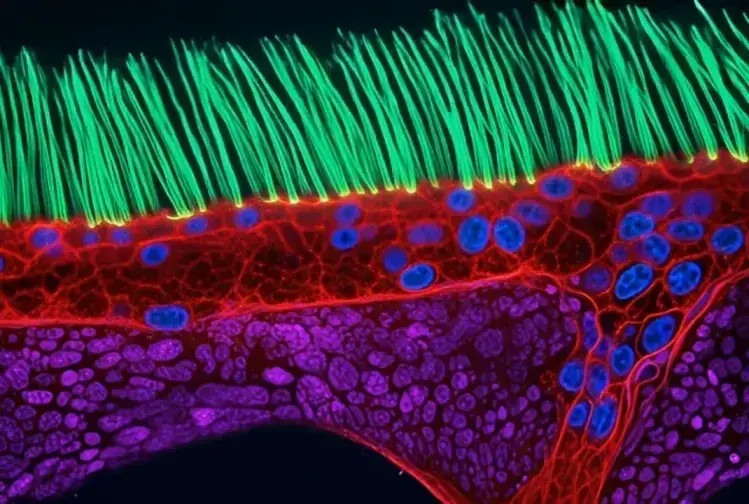 Nikon strips researcher of first place in its Small World in Motion microscopy contest
Nikon stripped a researcher of first place in its Small World in Motion microscopy contest after biologists noticed that microscopic cilia in the winning video were popping in and out of existence.