Robot orders shift away from automotive assembly
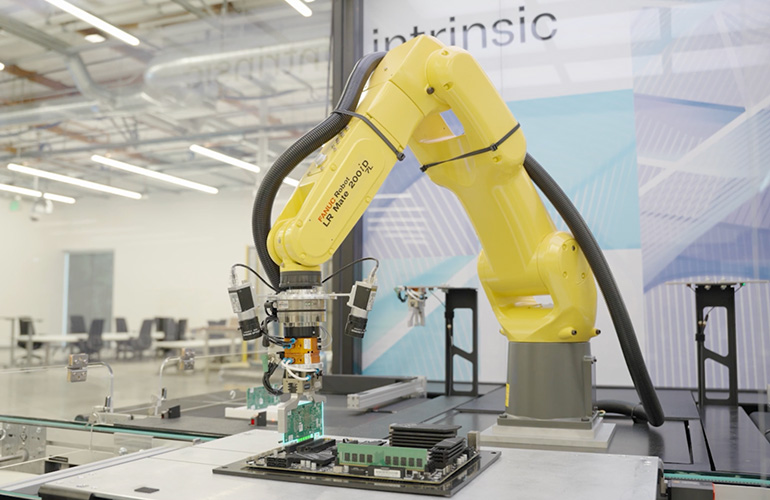
Industrial robotics spent decades chained to the capital expenditure cycles of primary automotive assembly lines. Data from the Association for Advancing Automation, reported by The Robot Report, shows that dynamic cracking open. North American robot orders climbed 24.8% in the third quarter of 2026 to 10,989 units, but the engine was not vehicle assembly plants. While automotive OEM orders ticked up just 7.5%, orders from automotive component suppliers rose 90.4%, and semiconductor and electronics orders nearly doubled with a 97.6% jump.
The shifting buyer base also changes the machinery hitting factory floors. Collaborative robots surged 56% year over year to 1,831 units, capturing nearly 17% of all ordered robots. In life sciences, cobots accounted for almost 44% of unit orders across the first nine months of the year, while making up 37% of orders in semiconductors. These are environments where safety cages, massive concrete foundations, and fixed hard tooling are impossible or cost-prohibitive.
That shift matters for how automation software and perception get built. A traditional robot in a body shop runs fixed routines against rigid fixtures for years. Electronics assembly and pharmaceutical handling require frequent line changeovers, tighter tolerances, and human proximity. As capital expenditure moves down the supply chain into component shops and cleanrooms, the winning systems will be the ones that minimize expensive systems integration rather than those that simply boast maximum payload.